
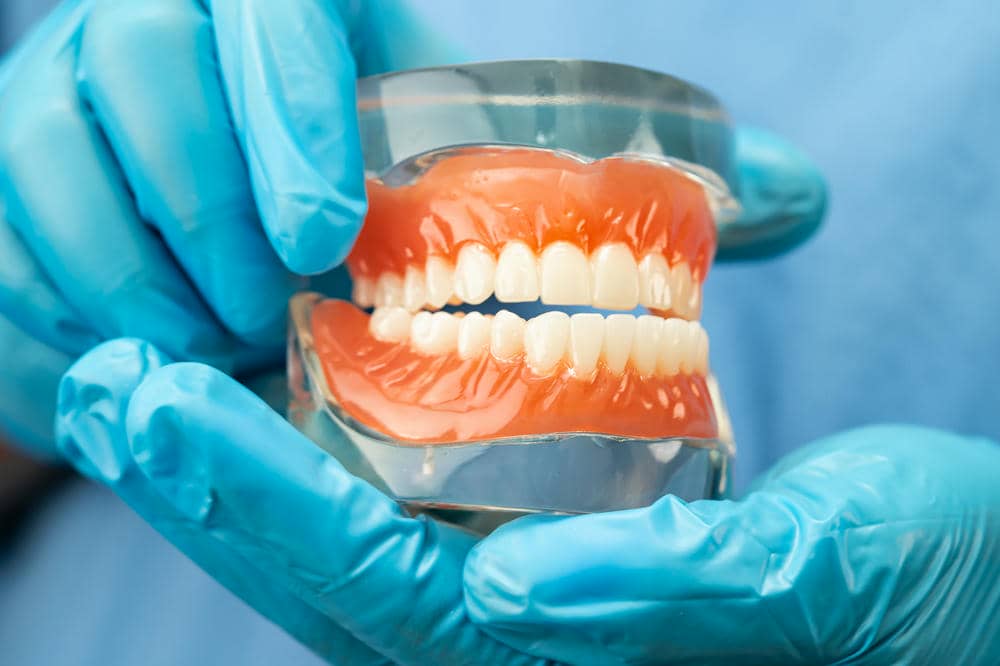
Getting dentures can be life-changing, but it’s essential to understand the adjustment process. While dentures can help restore your smile and improve your ability to eat and speak, the first few weeks of wearing them can take some time to get used to. Here’s a guide on what to expect and how to make the transition smoother.
Initial Discomfort and Soreness
It’s normal to experience some discomfort or soreness when you first get dentures. Your mouth needs time to adjust to the new appliance. For the first few days, you may feel slight irritation in your gums, especially around the edges of the dentures. This discomfort is common but usually improves as your mouth gets used to the dentures. If the pain persists or becomes severe, contact your dentist. They may need to adjust the fit of your dentures to make them more comfortable. Don’t worry, this discomfort is temporary and should lessen as time goes on.
Difficulty Eating and Speaking
When you first get dentures, eating and speaking can feel awkward. You may notice that your dentures shift or feel loose when you chew or talk. It’s important to take small bites and chew slowly with both sides of your mouth to maintain balance and avoid dislodging the dentures. Avoid sticky or hard foods in the beginning, as they can make the adjustment process more challenging. Speaking can also feel strange at first. You may find it hard to pronounce certain words clearly. With practice, however, your tongue and mouth will adapt, and you’ll regain the ability to speak normally.
Increased Saliva Production
In the first few days of wearing dentures, you may notice an increase in saliva production. This is a natural response to having a foreign object in your mouth. While it may feel uncomfortable at first, your body will adjust over time, and the excess saliva will subside. To help manage this, practice swallowing regularly and try to stay hydrated to ease the sensation. If the excess saliva continues beyond the first few days, consult your dentist for advice on how to manage it.
The Need for Frequent Adjustments
It’s important to remember that getting dentures is an ongoing process. Your dentist may schedule follow-up appointments to adjust as your gums heal and your mouth adapts. Over time, your gums will shrink, and your dentures may no longer fit as securely. Regular adjustments ensure that your dentures provide a comfortable and stable fit. Even if you feel relaxed after a few weeks, you must continue regular check-ups. Your dentist can monitor the fit and make necessary modifications.
Caring for Your Dentures and Oral Health
Proper care for your dentures is essential, both for their longevity and for maintaining your oral health. Clean your dentures thoroughly every day to remove food particles and plaque. Brush them gently with a soft brush and denture cleaner to avoid damaging them. Avoid using regular toothpaste, as it can be abrasive and cause wear. In addition, don’t forget to care for your gums and natural teeth. Brush your gums, tongue, and remaining teeth twice daily to prevent infection and ensure good oral hygiene. Remove your dentures overnight to give your gums a break, and allow your mouth to rest.
A Comfortable Transition to Dentures
Getting used to dentures takes time and patience, but the process will be smoother with the right approach. Expect some initial discomfort, difficulty with eating and speaking, and increased saliva production. However, these issues are usually temporary and improve as you adapt. Frequent adjustments and proper care will help ensure your dentures remain comfortable and practical. Stay in close contact with your dentist during the adjustment period, and remember that with practice, your dentures will soon feel like a natural part of your smile.