
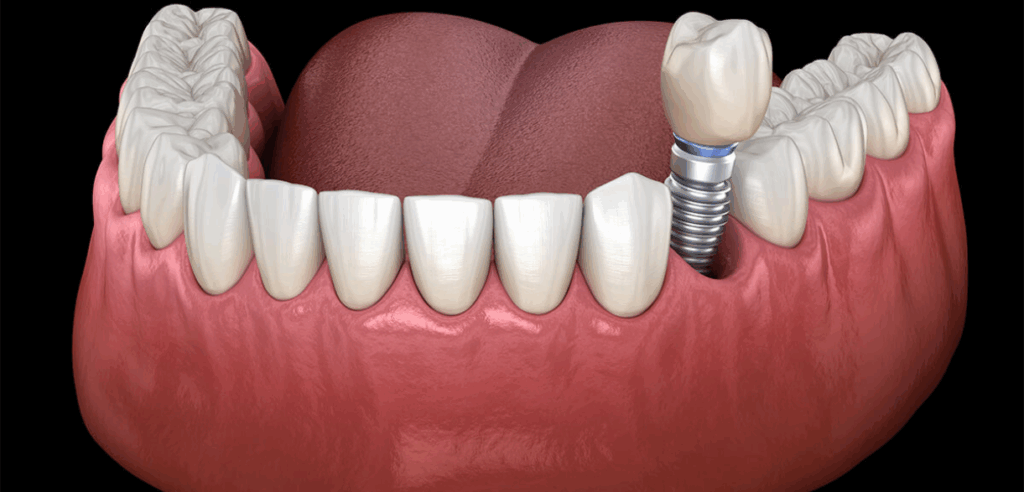
Dental implants offer a permanent solution for missing teeth, providing a natural look and feel. However, the recovery process is essential to ensuring the implant heals correctly. One of the most common questions patients have is: How long should you rest after getting a dental implant? This blog will explore the importance of rest during recovery and how long it should last for optimal healing.
The First 24-48 Hours: Initial Rest Period
The first 24 to 48 hours after receiving a dental implant in Katy are crucial for your recovery. During this time, your body adjusts to the implant, and the healing begins.
- Stay in bed or reclined: Resting in an elevated position can reduce swelling. Avoid lying flat to help blood circulation.
- Limit physical activity: Avoid strenuous activities. This will help prevent increased blood flow to the area and minimize swelling.
- Cold compress: To reduce swelling, apply an ice pack for 15-20 minutes every hour for the first 24 hours.
These early days are vital to prevent complications and ensure that the implant site remains undisturbed.
3-5 Days After the Procedure: Gradual Activity Return
After 48 hours, you can gradually increase your activity level. However, you must continue to follow some precautions.
- Resume light activities: Gentle walking or other low-impact activities can help you avoid complete immobility. But be cautious not to overexert yourself.
- Avoid high-intensity exercises: For at least five days, avoid activities like running, heavy lifting, or anything that raises your heart rate significantly.
- Monitor for pain or swelling: If you notice any increase in discomfort or swelling, it’s important to rest more and consult your dentist.
During this period, your body is still healing, so it is critical to listen to your body and avoid overexertion.
The First Week: Continued Rest and Healing
The first week after dental implant surgery is when you’ll experience the most discomfort. Your gums may be swollen, and there might be some bruising. Rest continues to play a significant role in ensuring proper recovery.
- Follow prescribed pain relief instructions: Your dentist may recommend painkillers or anti-inflammatory medication. Be sure to follow the prescribed dosage.
- Rest in intervals: Even if you feel better, taking breaks and rest throughout the day is essential.
- Avoid hard foods: Stick to soft foods that require minimal chewing, reducing pressure on the implant area.
This week is key to monitoring your recovery and ensuring no infection or complications arise.
2 Weeks to 1 Month: Gradual Return to Normal Activities
By the second week, most of the initial discomfort from your dental implant procedure should start to subside. At this point, you can gradually return to more normal activities, but rest remains essential for the entire healing process.
- Slowly increase physical activity: You can start participating in more strenuous activities, but it’s best to do so slowly. Pay attention to any signs of discomfort.
- Avoid direct pressure on the implant: If your implant feels sore, give it more time before pushing your body too hard.
- Continue soft foods: Even if the pain lessens, continue eating soft foods to avoid putting too much pressure on the healing area.
During this phase, the bone around the implant starts to fuse (osseointegration), so avoiding trauma to the area is essential.
Long-Term Recovery: Full Healing Takes Time
While the immediate post-surgery period is crucial, the complete healing process for a dental implant can take several months. The bone must integrate with the implant, which can take 3 to 6 months.
- Continue gentle care: You may need to follow up with your dentist periodically to ensure the implant is healing as expected.
- No heavy lifting: Even after the first month, avoid intense physical exertion that could disrupt the healing process.
- Oral hygiene is essential: Clean your mouth gently but thoroughly, as maintaining oral hygiene helps prevent infection around the implant.
Even though you’re not resting as much, it’s vital to continue following the aftercare instructions for the best long-term results.
Rest Is Key for Dental Implant Recovery
Resting after getting a dental implant is crucial for ensuring proper healing and avoiding complications. The first 48 hours are the most important for recovery, but you should continue to take it easy for at least a week. By the second week, you can gradually return to regular activities, but it’s essential to avoid heavy exertion for a few months. Always follow your dentist’s advice on when to resume normal activities to ensure the success of your implant. With proper care and rest, you’ll be enjoying your new smile in no time!