
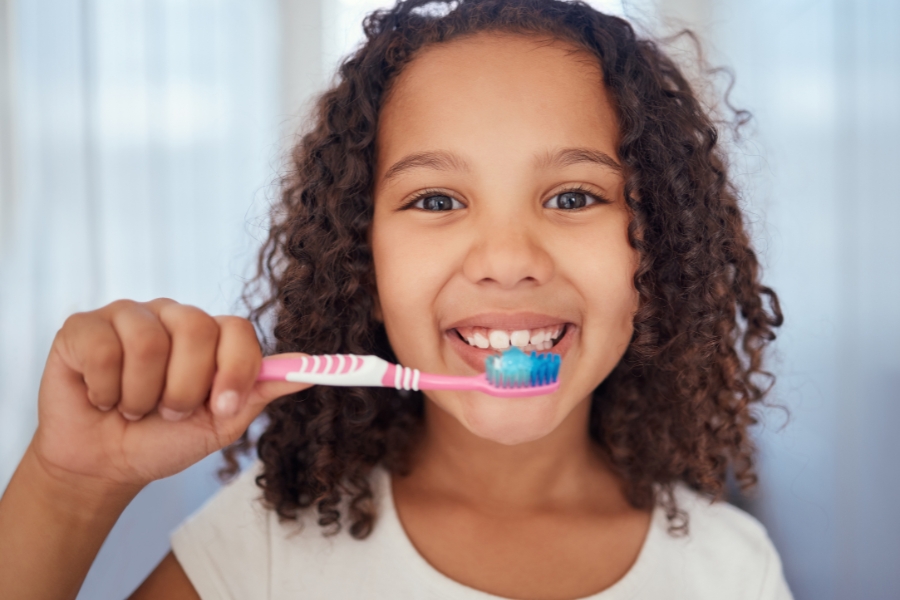
Teeth whitening products have gained significant popularity in recent years, with whitening strips being one of the most accessible and effective options available. They offer a convenient solution for achieving a brighter smile from the comfort of your own home. However, many people wonder about the best way to incorporate whitening strips into their oral care routine. One common question is whether you should brush your teeth before or after using whitening strips.
In this blog post, we’ll delve into the relationship between brushing and whitening strips, providing you with all the information you need to make the best decision for your oral health. Let’s explore how whitening strips work, when and why you should brush your teeth, and how to maximize the benefits of whitening without compromising your dental hygiene.
What Are Whitening Strips?
Whitening strips are thin, flexible plastic strips coated with a whitening gel that contains hydrogen peroxide or carbamide peroxide. These ingredients are effective in breaking down stains on the teeth, helping to brighten your smile. Typically, whitening strips are applied directly to the teeth for a set period of time, usually between 20 minutes and an hour, depending on the product’s instructions. Over the course of several days or weeks, the strips gradually remove stains caused by food, drinks, and other substances, leaving you with a whiter smile.
These strips are one of the most popular over-the-counter products for teeth whitening due to their affordability, ease of use, and noticeable results. However, their effectiveness depends on how well they are used in conjunction with proper oral hygiene.
How Do Whitening Strips Work?
The active ingredient in most whitening strips is hydrogen peroxide or carbamide peroxide, which are bleaching agents. When applied to the teeth, these compounds break down into oxygen molecules that penetrate the enamel, the outer layer of the teeth. The oxygen molecules then work to break apart the chemical bonds of stains on the teeth, making them less visible.
Stains on the teeth can come from various sources, such as coffee, tea, red wine, smoking, or even certain medications. Whitening strips target both surface-level stains and deeper discoloration within the enamel, providing a more uniform and brighter appearance. However, the degree of whitening will vary from person to person depending on the severity of the stains and the overall condition of their teeth.
Should You Brush Your Teeth After Using Whitening Strips?

The short answer is yes, you can brush your teeth after using whitening strips. However, it’s important to understand the timing and reasons behind this decision.
When you use whitening strips, the active ingredients are meant to remain on your teeth for a specified period to achieve the desired effect. After removing the strips, your teeth may still have some residual gel or peroxide left on them. Brushing your teeth after removing the strips can help remove any leftover gel and further clean your teeth.
However, the question arises: when is the best time to brush your teeth in relation to using whitening strips?
Brushing Before Applying Whitening Strips
Brushing your teeth before using whitening strips is a common practice, but it’s not always necessary. However, brushing your teeth beforehand has several potential benefits.
- Removes Surface Plaque: Brushing before applying whitening strips helps remove any food particles or plaque that may have built up on your teeth. By cleaning the surface of your teeth, the whitening strips can make better contact with the enamel, leading to more even whitening.
- Improves Adhesion: Clean teeth allow the whitening strips to stick better and stay in place during the application period. If your teeth are covered in plaque or debris, the strips may not adhere as effectively, leading to less optimal results.
- Enhances Whitening Effectiveness: By brushing your teeth first, you ensure that the whitening gel is able to penetrate the enamel more effectively. Plaque and food particles can act as a barrier, preventing the active ingredients from working as efficiently.
However, it’s important to note that you should avoid brushing your teeth too aggressively or immediately before applying whitening strips. Brushing your teeth too hard can cause irritation to the gums and enamel, making them more sensitive during whitening treatment.
Brushing After Using Whitening Strips
It’s generally safe to brush your teeth after using whitening strips, but you should wait a little while before doing so. The whitening gel is designed to remain on the teeth for a short period of time to allow the bleaching agents to work effectively. Brushing your teeth too soon after using whitening strips may not give the gel enough time to work.
Here are some factors to consider when brushing after using whitening strips:
- Wait at Least 30 Minutes: After removing the whitening strips, it’s a good idea to wait at least 30 minutes before brushing your teeth. This allows the whitening agents to fully absorb into the enamel and gives your teeth time to remineralize. Immediately brushing afterward could potentially disrupt the whitening process.
- Use a Soft Toothbrush: After using whitening strips, your enamel may be temporarily more porous or sensitive. Therefore, it’s recommended to use a soft-bristled toothbrush to avoid any unnecessary damage to your teeth or gums. Avoid using abrasive toothpaste as well, as it could further irritate the enamel.
- Avoid Strong Mouthwash: Some mouthwashes contain alcohol or strong ingredients that can cause further irritation to the teeth after whitening. Stick with a gentle, alcohol-free mouthwash if you prefer to rinse your mouth after brushing.
Factors to Consider
While brushing before or after using whitening strips is generally safe, there are some factors to keep in mind when incorporating whitening strips into your routine.
- Tooth Sensitivity: If you experience tooth sensitivity during or after using whitening strips, it’s essential to take a more cautious approach. Brushing too aggressively or using whitening strips too frequently can increase sensitivity. In such cases, using toothpaste for sensitive teeth or reducing the frequency of whitening treatments may help.
- Enamel Health: Whitening strips can potentially cause some damage to your enamel if overused. To protect your enamel, avoid using whitening strips more than the recommended frequency. Your dentist may also recommend specific products that are gentler on the enamel.
- Consistency: For the best results, consistency is key. Make sure to follow the product instructions carefully and maintain good oral hygiene throughout the whitening process. Regular brushing and flossing can help enhance and sustain the effects of the whitening treatment.
Maintaining Good Oral Health During Whitening
While whitening strips can give you a brighter smile, they should be used in conjunction with a proper oral hygiene routine. Here are some tips for maintaining good oral health during whitening:
- Brush your teeth twice daily with fluoride toothpaste.
- Floss daily to remove food particles and plaque.
- Avoid staining foods and drinks such as coffee, tea, and red wine while whitening.
- Drink plenty of water to help wash away any leftover whitening gel or residue.
- Visit your dentist regularly for checkups and cleanings.
Incorporating whitening strips into your oral care routine can be a great way to brighten your smile, but it’s essential to use them properly to get the best results without compromising your dental health. Brushing your teeth before applying whitening strips can enhance the effectiveness of the treatment, while brushing after using the strips can help remove any residual gel.
However, timing is key. Wait at least 30 minutes after removing the whitening strips before brushing your teeth to allow the whitening agents to work fully. And remember, always prioritize your overall oral health by using whitening products as directed and maintaining a solid brushing and flossing routine.
FAQs
- Can I use whitening strips every day?
Ans: Most whitening strips are designed to be used once a day, usually for a period of one to two weeks. However, overuse can lead to tooth sensitivity or damage to the enamel. Always follow the product instructions. - Are whitening strips safe for sensitive teeth?
Ans: Whitening strips are generally safe, but those with sensitive teeth should use them with caution. Consider using a product specifically designed for sensitive teeth, or consult your dentist before starting treatment. - Can I use whitening strips if I have fillings or crowns?
Ans: Whitening strips only work on natural tooth enamel. If you have fillings or crowns, they will not be affected by the strips. Consult with your dentist if you have concerns about uneven whitening. - How long does it take to see results from whitening strips?
Ans: Results typically start to show within a few days of consistent use, but full results may take up to two weeks, depending on the severity of your stains. - Do I need to rinse my mouth after using whitening strips?
Ans: After removing the whitening strips, rinse your mouth with water. However, avoid brushing your teeth immediately after to give the whitening agents time to work.